

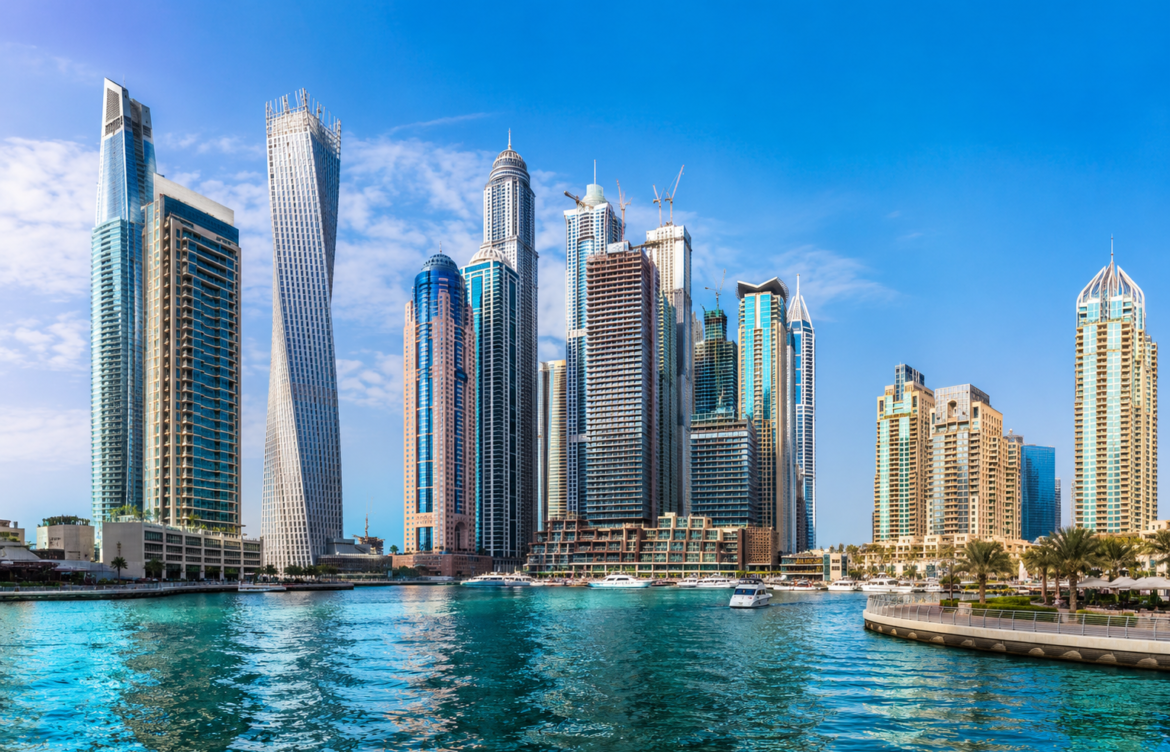
How to Invest in Dubai Real Estate in 2026 | Complete Guide
How to Invest in Dubai Real Estate in 2026: A Practical Guide for New Investors
Dubai real estate projects has become a popular choice for people looking to invest in property, whether they live in the UAE or are buying from overseas. But if you are considering buying a property in Dubai in 2026, there is more to it than choosing a good-looking apartment in a popular area.
You need to understand how ownership works, what costs you will have to pay, how to choose the right location, whether an off-plan or ready property suits you, how rental income is calculated, and what you should check before signing a contract.
The good news is that the process is relatively straightforward once you understand the steps.
This guide explains how to invest in Dubai real estate in 2026, what new investors should look for, and how to make a more informed property decision.
Why Are People Investing in Dubai Real Estate?
Dubai has several characteristics that continue to attract property investors.
It is an international business and tourism hub, has a large expatriate population, and continues to invest heavily in infrastructure, residential communities, hospitality and transport.
Dubai’s long-term development plans are also important when thinking about property. The Dubai 2040 Urban Master Plan focuses on population growth, infrastructure, public transport, economic activity, tourism, residential communities and the development of major urban centres. The plan expects Dubai’s population to grow significantly by 2040 and aims to place more residents close to public transport and essential services.
This matters to property investors because real estate value is closely connected to the surrounding environment. Roads, public transport, schools, retail, offices, beaches and entertainment destinations can all influence how attractive a community is to residents and tenants.
However, long-term city growth does not mean that every property will automatically increase in value. The individual property, its location, price and future supply still matter.
Can Foreigners Buy Property in Dubai?
Yes.
One of the reasons Dubai attracts international investors is that foreigners can own property in designated freehold areas.
According to the UAE Government’s official property ownership guidance, both UAE residents and foreigners living outside the UAE can acquire freehold ownership in designated areas of Dubai. Foreign buyers may also have usufruct or leasehold rights in areas where those forms of ownership apply.
This means you do not necessarily need to become a UAE resident before buying a property in Dubai.
For an overseas investor, however, it is important to understand the difference between:
- Freehold ownership
- Usufruct rights
- Leasehold arrangements
- The specific ownership rules of the property and location
Always verify the property’s ownership status before making a payment.
What Is Freehold Property?
Freehold ownership generally gives the buyer ownership rights over the property, subject to UAE and Dubai laws.
But “Dubai property” does not automatically mean that every location is available for foreign freehold ownership.
The Dubai Land Department (DLD) explains that foreign ownership is permitted in designated freehold areas. DLD also states that real estate transactions must be registered with the department to protect the rights of investors.
This is an important point for first-time buyers.
Do not rely only on a property advertisement saying “freehold.” Check the property’s legal status and registration details through the proper channels.
How Much Money Do You Need to Invest?
There is no single amount required to invest in Dubai real estate.
The amount depends on the property type, location, size, developer and whether you are buying with cash or financing.
For example, your budget could be directed towards:
- A smaller apartment
- A one-bedroom investment property
- A larger family apartment
- A townhouse
- A villa
- A luxury waterfront property
- An off-plan development
But your budget should not stop at the purchase price.
The real cost of buying property includes more than the property price
You may need to account for:
- Dubai Land Department registration fees
- Trustee/service fees
- Agency fees, where applicable
- Mortgage-related costs
- Bank charges
- Developer-related charges
- Service charges
- Furnishing costs
- Maintenance
- Property management
- Insurance
- Future selling costs
The Dubai Land Department currently lists a 4% fee on the sale value for applicable property sale registration transactions. The exact costs involved in a purchase can vary depending on the transaction structure, so buyers should check the current DLD requirements before completing the purchase.
This is why you should calculate your total investment cost, rather than looking only at the advertised property price.
Ready Property or Off-Plan Property?
This is one of the first major decisions you will have to make.
There is no universal answer because ready and off-plan properties serve different investment strategies.
Ready Property
A ready property is already completed and can normally be inspected before purchase.
This gives you a chance to see:
- The actual apartment or villa
- The building quality
- The community
- Nearby facilities
- Parking
- Views
- Building maintenance
- Existing rental demand
If your main objective is rental income, a ready property can be attractive because you may be able to rent it soon after completing the purchase.
You can also look at the property’s existing rental history rather than relying only on future estimates.
Off-Plan Property
An off-plan property is purchased before construction is completed.
The attraction is often the payment plan, new development, developer incentives and potential for capital growth before or after completion.
But off-plan investment also requires more research.
Before buying, look at:
- Developer track record
- Previous completed projects
- Construction progress
- Payment schedule
- Handover date
- Escrow arrangements
- Service charges
- Location
- Future competing projects
- Expected rental demand
Dubai Land Department’s project registration information shows that registered projects are subject to specific requirements, including approved project documentation and construction-related guarantees.
The lesson is simple: do not choose an off-plan property only because the payment plan looks attractive.
 How to Choose the Right Location
Location is one of the most important parts of a property investment.
But “best location” means different things to different investors.
A location that works well for a family may not be the best option for someone targeting short-term rental demand. Similarly, a luxury waterfront property may have a very different investment profile from an affordable apartment close to an employment hub.
When comparing areas, look at:
1. Accessibility
How easy is it to reach major roads, business districts, airports and public transport?
2. Rental Demand
Who is likely to rent the property?
Is the area popular with professionals, families, tourists or students?
3. Nearby Facilities
Check the availability of:
- Supermarkets
- Schools
- Hospitals
- Restaurants
- Shopping centres
- Parks
- Gyms
- Public transport
4. Future Development
Look at what is planned around the property, not just what exists today.
Dubai’s 2040 plan identifies major urban centres and places significant emphasis on transport, economic activity, tourism and better access to services.
A property in an area with improving infrastructure can have a different long-term outlook from a property in an area where development is already mature.
5. Future Supply
This is often overlooked.
If many similar apartments are scheduled to enter the market at the same time, landlords may face more competition when renting or selling their properties.
So ask:
How many similar properties will compete with mine in three, five or ten years?
That question can be more useful than simply asking which area is “hot.”
How to Calculate Rental Yield
If you are investing for rental income, you need to understand rental yield.
The basic gross rental yield formula is:
Annual Rent ÷ Property Purchase Price × 100
For example:
A property costs AED 1,500,000.
Expected annual rent is AED 90,000.
AED 90,000 ÷ AED 1,500,000 × 100 = 6% gross rental yield
But this is only the starting point.
Your actual return can be lower after considering:
- Service charges
- Maintenance
- Property management
- Vacancy periods
- Insurance
- Repairs
- Financing costs
This is why investors should calculate net rental income, not just look at the advertised rental yield.
Also remember that rental income is not guaranteed. Market conditions can change, and the rent you receive may be different from the estimate given when you purchase.
How to Check Whether a Property Is Actually a Good Investment
Before buying, put the property through a simple investment test.
Ask yourself:
What am I paying?
Compare the asking price with similar properties in the same community.
What can I realistically earn?
Research actual rental rates instead of relying only on projected returns.
Who will rent this property?
Understand the likely tenant.
How easy will it be to sell later?
A property with a smaller buyer pool may take longer to resell.
What are my annual expenses?
Calculate service charges, maintenance, management and other costs.
What is being built nearby?
New supply can affect both rents and resale values.
Who developed the project?
Look at the developer’s completed projects and delivery record.
This approach turns property buying from an emotional decision into an investment decision.
What Should You Check Before Buying an Off-Plan Property?
If you are considering an off-plan project, do not rush because of a “limited units” message or a launch offer.
Take your time to check the project.
Check the developer
Look at the developer’s previous projects and whether they were delivered on time and to a reasonable standard.
Check the project registration
Make sure the project is properly registered and that the transaction is being handled through the correct process.
Understand the payment plan
A payment plan may look affordable because payments are spread over several years, but calculate the total amount and the dates carefully.
Understand the handover
Ask when the property is expected to be completed and what happens if the timeline changes.
Check service charges
A property can have a good purchase price but relatively high annual ownership costs.
Look at the surrounding development
Do not buy based only on the masterplan image.
Ask what infrastructure already exists and what is realistically expected to be delivered.
What Documents Should a Buyer Check?
The exact documents depend on the type of transaction, but buyers should expect proper identification, property documentation and transaction paperwork.
For completed properties, the title deed and ownership details are particularly important.
For financed transactions, additional bank and mortgage documents may be required.
The Dubai Land Department provides official information and services relating to property registration and real estate transactions.
For foreign buyers, the UAE Government also recommends contacting the relevant emirate’s land department and using approved brokers when purchasing property.
Do not transfer large amounts of money based solely on WhatsApp conversations, unofficial documents or screenshots.
Should You Buy for Capital Growth or Rental Income?
This is an important question that many new investors skip.
If your priority is rental income
You should focus on:
- Existing tenant demand
- Rental affordability
- Occupancy
- Service charges
- Property management costs
- Easy access to transport and amenities
If your priority is capital growth
You may place greater importance on:
- Location development
- Infrastructure
- Limited future supply
- Quality of the project
- Developer reputation
- Long-term demand
- Master-planned communities
If you want both
Then look for a property that has reasonable rental demand today while also having strong fundamentals for the future.
There is no guarantee that one property will deliver both the highest rental income and the highest capital appreciation.
Common Mistakes First-Time Dubai Property Investors Make
Buying because everyone else is buying
A property should fit your investment strategy, not someone else’s.
Looking only at the purchase price
Ownership costs can significantly change the numbers.
Believing guaranteed returns
Rental income and capital appreciation are not guaranteed.
Ignoring service charges
High service charges can reduce your actual rental return.
Choosing an area only because it is popular
Popularity alone does not tell you whether a particular property is fairly priced.
Not checking future supply
A large number of similar new units can create more competition.
Choosing an off-plan property without researching the developer
The developer’s history matters.
Using only projected rental figures
Always compare projected rent with actual market rents for similar properties.
Is Dubai Real Estate a Good Investment in 2026?
Dubai continues to offer genuine opportunities for property investors, but the right approach in 2026 is to be selective.
The city has a long-term development strategy, continued investment in infrastructure and a large international population. Dubai’s 2040 plan also focuses on economic growth, transport, tourism, residential communities and improving access to services.
At the same time, investors should not assume that the market will move upward at the same rate every year.
The better question is not:
“Will Dubai property prices go up?”
Instead, ask:
“Does this particular property make sense at this particular price?”
That means looking at the location, developer, property quality, rental demand, ownership costs, future supply and your own investment horizon.
A Simple Dubai Property Investment Checklist
Before making a decision, make sure you can answer these questions:
- What is my total budget?
- What is my investment objective?
- Do I want rental income or capital growth?
- Am I buying ready or off-plan?
- Is the property in an eligible ownership area?
- Have I checked the developer?
- Have I compared similar properties?
- What will my annual service charges be?
- What rent can I realistically expect?
- What are the transaction costs?
- What future developments are planned nearby?
- How easy will the property be to resell?
- Have I reviewed the legal and registration documents?
If you cannot answer these questions, you probably need more research before buying.
Final Thoughts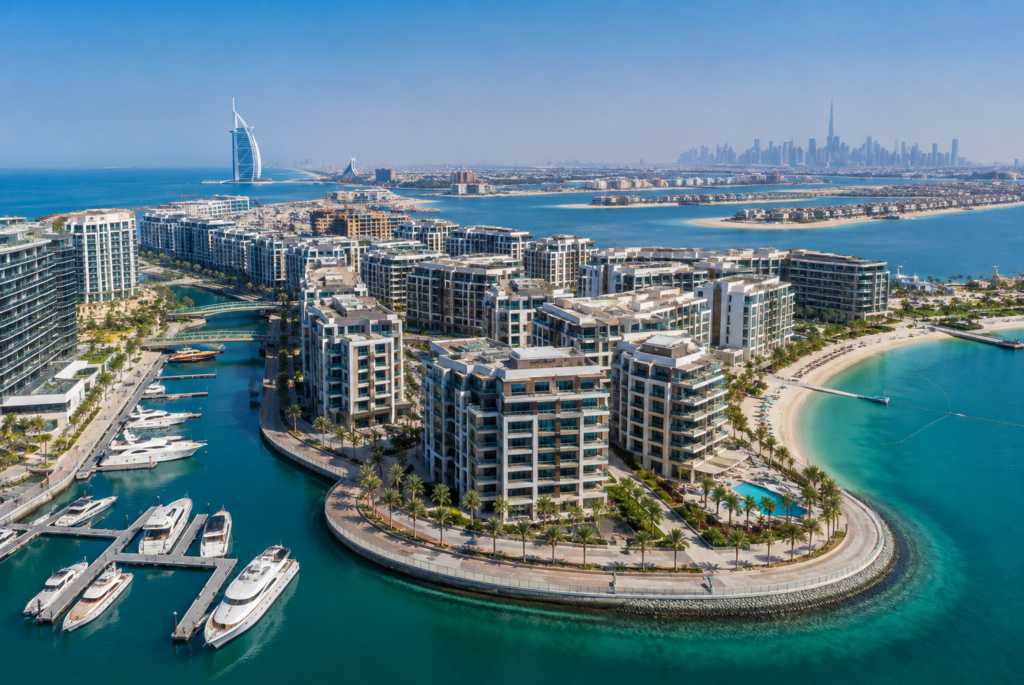
Investing in Dubai real estate in 2026 can be an attractive opportunity, but successful property investment is rarely about finding a property that simply looks impressive.
It is about understanding the numbers and the market behind the property.
Take time to research the location. Compare prices. Calculate realistic rental income. Understand all ownership costs. Check the developer and project documents. And most importantly, choose a property that matches your own financial goals.
Dubai offers a wide range of property opportunities, from affordable apartments to luxury waterfront residences. The best investment for you will depend on your budget, risk level, investment period and what you want the property to achieve.
Good property investment starts with good information.
Frequently Asked Questions
Can foreigners buy property in Dubai?
Yes. Foreigners can buy freehold property in designated areas of Dubai. The UAE Government confirms that both non-resident foreigners and expatriate residents can acquire eligible freehold properties.
Is Dubai property freehold for foreigners?
Foreign ownership is permitted in designated freehold areas. Buyers should confirm the ownership status of the specific property before purchasing.
What is the DLD fee when buying property?
The Dubai Land Department currently lists a 4% sale registration fee for applicable property transactions. Other transaction and service costs may also apply.
Is off-plan property better than ready property?
Neither is automatically better. Ready property can provide more visibility and potentially faster rental income, while off-plan property may offer staged payments and access to new developments. The right choice depends on your investment strategy.
How do I know if a Dubai property is a good investment?
Compare its purchase price, realistic rental income, service charges, location, future supply, developer reputation, resale potential and long-term demand. A property should be evaluated on its complete financial picture rather than its advertised price alone.
Do I need to live in Dubai to buy property?
No. Foreigners who do not live in the UAE can acquire freehold property in designated Dubai areas, subject to the applicable rules.
Should I use a real estate agent when buying?
A registered and experienced real estate professional can help with property selection, negotiation and transaction procedures. Buyers should still carry out their own due diligence and verify important information through official sources.